
Built to Last: Durable Shelving Materials
Your facility can be a pressure cooker. Daily heat spikes, sweat-soaked air, moisture from cleaning, and salt spray if you are near the water. Standard materials crack, rust, and peel, and your storage infrastructure corrodes before it pays for itself.
That is why durable shelving materials are not a nice-to-have. They are the difference between a five-year replacement cycle and a long-term asset you do not have to think about.
If you operate in warehouse and industrial environments or government and public safety facilities, this matters even more. These spaces do not get “gentle use.” They get constant traffic, frequent cleaning, and real-world abuse.
The enemy of durable shelving materials: moisture, salt, and constant use
Hot and humid environments create three predictable failure modes for storage systems.
Rust and corrosion. Steel exposed to salt air or constant moisture oxidizes fast. A standard powder-coated system can show surface rust quickly, and it does not stop at the surface. Corrosion spreads, weakens components, and can seize hinges and locks mid-shift.
Warping and swelling. Wood-based materials absorb humidity and expand. Doors stop closing flush, shelves bow, and after enough thermal cycles the system becomes unstable.
Lock and hinge failure. Moisture in moving parts stops them from moving. People force doors open, and hardware fails early. The cost is operational, not just replacement, because broken storage wastes time and creates frustration.
If you want durable shelving materials, you have to spec for these realities, not for a clean showroom.
What actually works: durable shelving materials built for punishment
There is no single “best” material. The right choice depends on moisture level, salt exposure, chemicals, and traffic. But a few options consistently outperform generic specs.
Stainless steel
For humid, wet, or coastal environments, stainless is often the gold standard. 304 stainless resists corrosion and salt spray, and it can outlast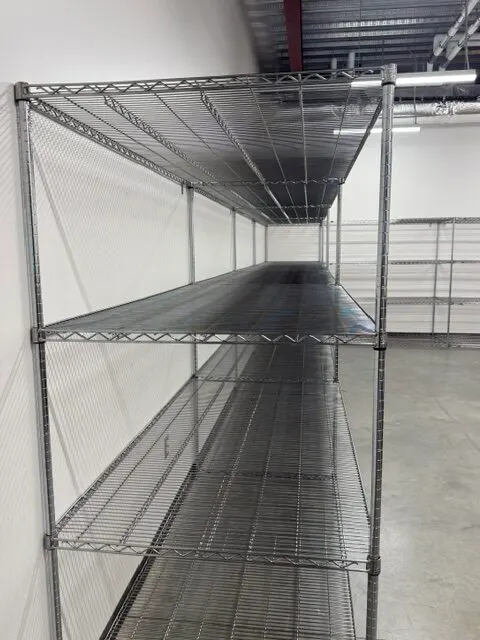 cheaper alternatives by a decade or more. It costs more upfront, but it reduces replacement cycles and avoids mid-season failures.
Powder-coated steel with proper prep
Powder coat can be durable, but only when the coating system and prep work are done correctly. A multi-stage coating approach such as zinc primer, epoxy base, and polyester topcoat creates a barrier that holds. Cheap powder coating fails early because steps are skipped.
If you are choosing durable shelving materials in a humid environment, the finish process matters as much as the metal.
Aluminum
Aluminum is lightweight and naturally corrosion-resistant. It does not rust like steel and it finishes well. It can pit in harsh chemical conditions, but for moderate-to-humid spaces without salt air, aluminum shelving and cabinet frames can be a reliable and cost-effective choice.
Composite and engineered materials
Some systems use resin-impregnated composites that resist warping, rot, and moisture absorption. They can be more expensive than wood or particle board, but they deliver long-term performance in wet rooms, laundries, and chemical-adjacent environments.
Hardware is the hidden failure point
You can choose the right cabinet or shelving frame and still fail on hinges, locks, and fasteners. Plastic and standard steel hardware corrodes or cracks under humidity and use. Upgrading to stainless hardware often eliminates the bottleneck and prevents the most visible failures.
If you want durable shelving materials, do not stop at the panels. Spec the hardware.
The real comparison is total ownership, not purchase price
Purchase price is easy to see. Total cost is what hurts.
A system that costs $3,000 and fails in six years costs about $500 per year. A $5,500 system that runs for twenty years costs about $275 per year. The cheaper option is not cheaper.
When you evaluate durable shelving materials, include:
- Replacement labor and downtime
- Disruption from failed storage and reorganization
- Expedite shipping when you have to replace gear mid-season
- Staff time lost dealing with broken doors, stuck locks, and unstable shelves
Facilities teams that spec for durability spend more upfront and save over the lifecycle.
How to specify durable shelving materials for your environment
If you want a simple spec process that prevents expensive mistakes, use this sequence.
Step 1: Define the environment
Material selection depends on conditions. Document the heat range, humidity, salt spray exposure, chemical exposure, cleaning agents, and foot traffic volume.
Step 2: Ask for material warranties
Reputable manufacturers will warranty stainless against rust and composites against warping. If they will not back it in writing, treat that as a signal.
Step 3: Inspect finishes, not just appearance
Do not rely on visual inspection alone. Request coating thickness data and documentation. Powder coat should typically meet a minimum thickness range, and the source guidance here calls out 2.5–3.5 mils as a minimum.
Step 4: Look at hardware first
Frames can last while locks and hinges fail. Make sure the hardware is rated for your environment and usage level.
Step 5: Plan for access and upkeep
Even durable shelving materials perform better with basic planning such as ventilation to reduce moisture buildup, cleaning protocols that do not destroy finishes, and drainage design in wet areas.
 Where durable shelving materials matter most
Warehouse and industrial environments
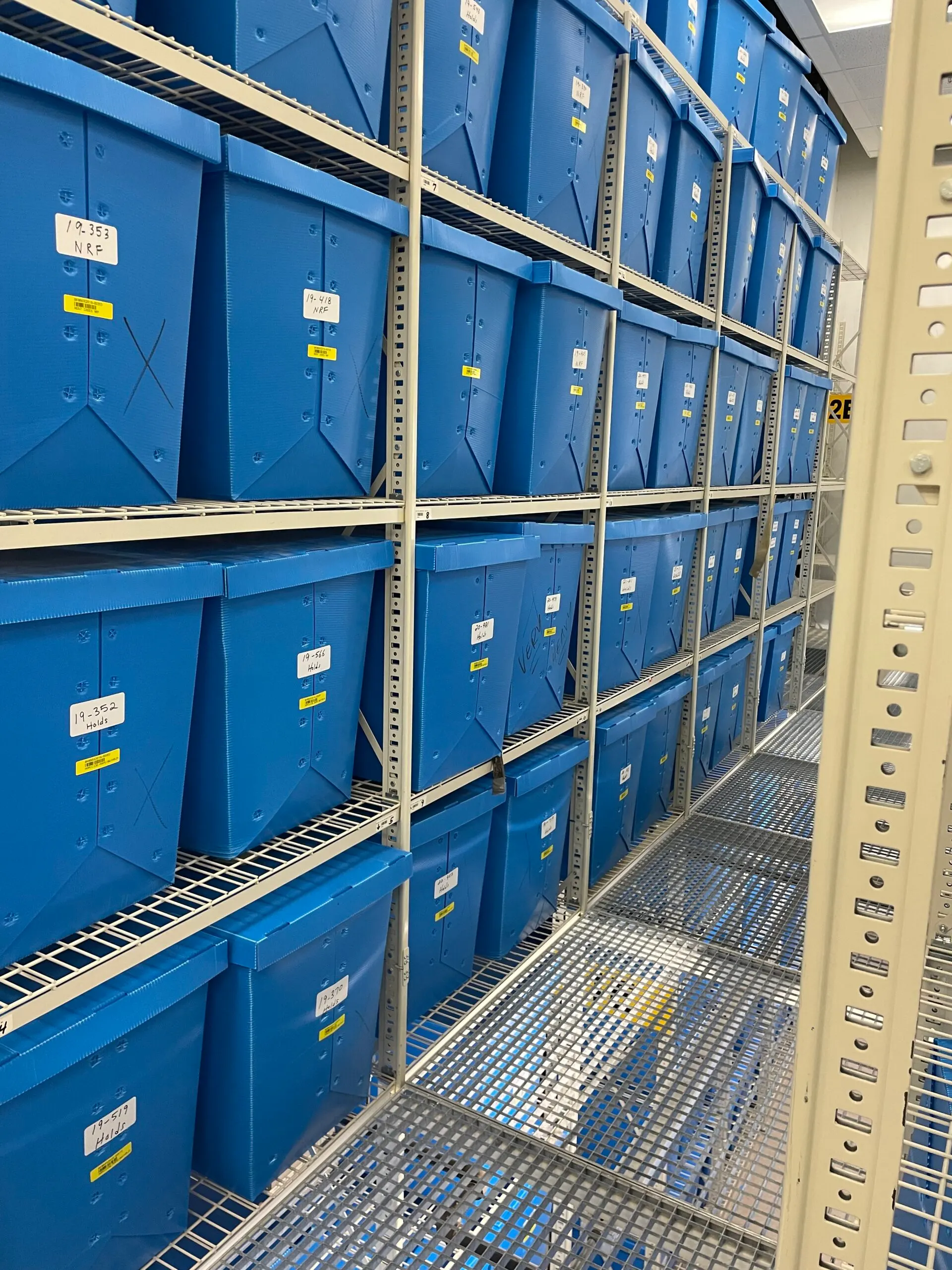
Think loading docks, washdown areas, parts rooms, chemical storage, and high-traffic aisles. These areas see constant handling and frequent cleaning, which accelerates wear. Using durable shelving materials here protects inventory, reduces maintenance headaches, and prevents the slow slide into rust, bowed shelves, and broken hardware.
Government and public safety environments
Gear rooms, station storage, evidence-related areas, and shared-use lockers get heavy daily use. Humidity from turnout gear, frequent sanitation, and constant open-close cycles punish low-grade materials. Durable shelving materials and hardware reduce failures that cost time and create risk when storage is shared and accountability matters.
Built to last means spec it like the environment is real
Hot, humid, and high-traffic spaces will expose weak materials fast. If you want storage that holds up, focus on durable shelving materials, correct finish systems, and hardware that does not become the first failure point.
Request a materials and environment assessment. Share your conditions, and we will recommend a durable shelving materials stack you do not have to second-guess.